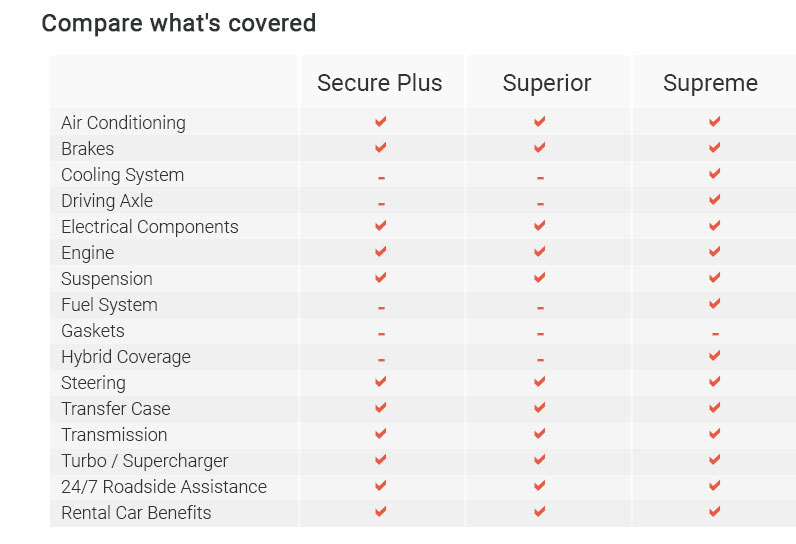



extended warranty comparison made practical

I want a plan that pays when things break, not one that sounds good on paper. That's why my extended warranty comparison starts with facts, not hype.

What actually decides value

Coverage beats promises. I scan for specifics and ignore fluff. The clearer the document, the stronger the plan.

  • Scope: parts, labor, diagnostics, and shipping - listed explicitly.
  • Term: years of coverage and any waiting period.
  • Limits: per-claim vs. aggregate caps; no-lemon policy timing.
  • Exclusions: batteries, wear, accidental damage, liquid, cosmetic.
  • Deductible: flat fee or tiered by device cost.
  • Repair network: OEM centers vs. third-party shops; mobile repair options.
  • Parts quality: new, refurbished, or "equivalent."
  • Transfer/cancel: fees, pro-rated refunds, and hassle level.
  • Claim process: online intake, approval time, loaners.

Common plan types compared

  • Manufacturer extension: best fit for complex items (laptops, cameras). Strong parts matching; sometimes pricier.
  • Retailer plan: easy checkout add-on; coverage breadth varies a lot by store.
  • Third-party administrator: flexible and often cheaper; verify network quality and caps.
  • Credit card benefit: free add-on that mirrors the original warranty; usually excludes accidental damage.

Cost versus risk, in plain numbers

I sanity-check price against expected failure and replacement cost. Small math, big clarity.

  • Electronics: I cap plan price at 10 - 20% of item cost. Under 10% with accidental damage included is a green light for phones and tablets.
  • Appliances: 8 - 12% cap if coverage includes parts+labor and a no-lemon clause by the third repair.
  • High-ticket gear: for pro laptops/cameras, I'll go to 15 - 18% if on-site service or express swap is guaranteed.

A quick, real moment

Last month I compared three laptop plans: the OEM wanted 17% with onsite next-day repair, the retailer offered 12% but mail-in only, and a third-party quoted 9% with a $99 deductible. Two weeks later the charging board failed. I chose the OEM plan; the tech arrived the next morning, and I was back working before lunch. The extra cost stung a little, but the downtime saved was worth it. Measured win.

Red flags and green lights

  • Red flags: "Wear and tear" used broadly, mandatory quarterly maintenance logs, vague "equivalent part" language, multi-step pre-authorization that delays repairs.
  • Green lights: transparent PDF with definitions, parts+labor+diagnostics included, nationwide authorized network, online claim tracker, no-lemon after 3 repairs.

How I read the fine print fast

  1. Find definitions for "accidental," "defect," and "normal use."
  2. Check if limits are per incident or total aggregate.
  3. Confirm repair turnaround and shipping both ways.
  4. Look for replacement policy and any depreciation formula.
  5. Note deductible size and whether it's per claim.
  6. Verify transfer rules and pro-rated cancellation refunds.
  7. Ensure service is by authorized techs using approved parts.

Simple side-by-side lens

  • Best for convenience: Manufacturer plan with onsite or local authorized repair.
  • Best for price: Third-party with low deductible and clear limits.
  • Best free boost: Credit card extension layered on top of the standard warranty.

Practical tips that pay off

  • Screenshot or save the policy PDF; marketing pages change.
  • Search the document for "limit," "deductible," and "exclusion."
  • Call once before buying - time their phone queue and ask about parts availability.
  • If failure risk is front-loaded (phones, laptops), earlier coverage matters more.
  • For items you can live without for weeks, mail-in plans are fine; otherwise insist on onsite or local repair.

Checklist before you decide

  • Plan cost within your target percentage cap.
  • Coverage includes the specific failure you worry about.
  • Repair speed meets your tolerance for downtime.
  • Claim steps are simple and documented.
  • Exit options: transfer or cancel without heavy fees.

Bottom line

I'm cautiously optimistic about extended coverage when the math clears and the service path is proven. Compare the details, price the risk, and pick the plan that protects time first and money second. Quiet confidence beats guesswork.

https://www.noblequote.com/learning-center/comparison-and-types-of-warranties/manufacturers-vs-thirdparty-extended-car-warranties-a-comparison
Third-party warranties can be more comprehensive, often including coverage for wear and tear, electronics, and more. Cost Comparison.

https://www.caranddriver.com/research/a32766838/best-car-warranty-quick-comparison-guide/
Extended Warranty: Extended warranties function similarly to factory warranties, sometimes offering coverage beyond the factory warranty. They can also take the ...

https://www.reddit.com/r/ToyotaGrandHighlander/comments/1e2mim8/extended_warranty_comparison_and_prices_what_did/
The dealership includes it all their new vehicles, costs about $2500, I negotiated it from $5k as I added other body and wheel protection.


atwratnwm
4.9 stars -1430 reviews